After 10 November’s OpenAI study, copywriters paid by the piece are DYING.
1.3% of paid Upwork jobs are writing. Upwork’s cutting 37% of staff.
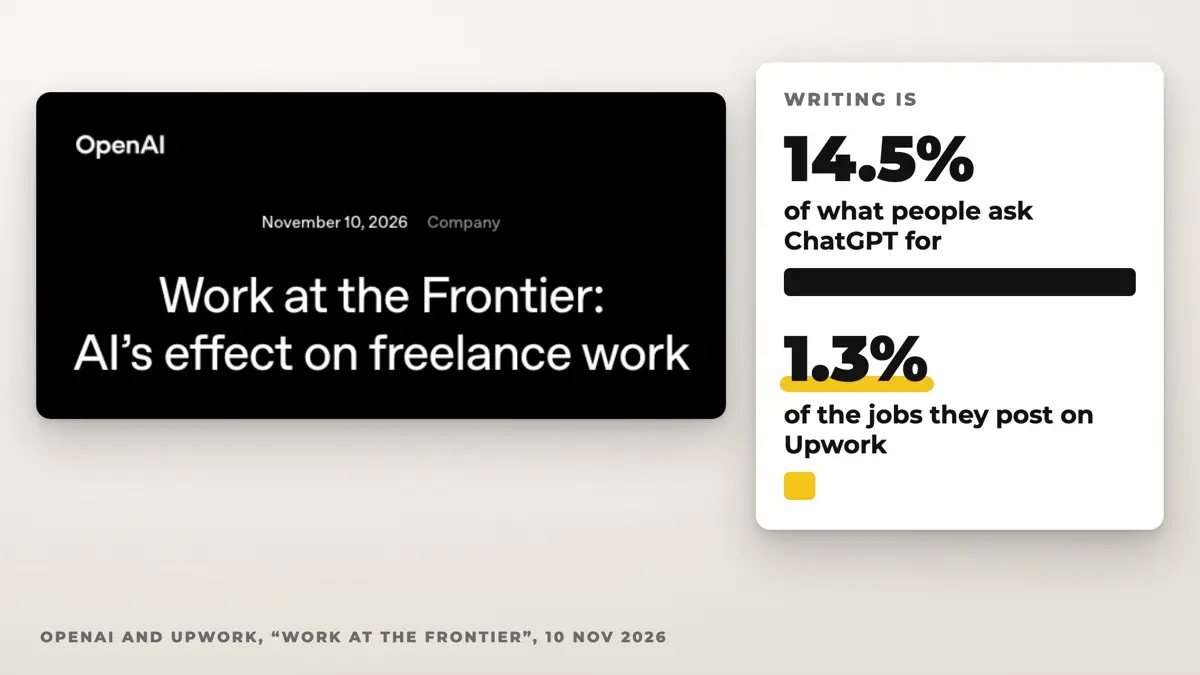
On 10 November, OpenAI and Upwork published a study of 63 kinds of freelance work. Writing is 14.5% of what people ask ChatGPT to do.
BUT: it’s only 1.3% of the jobs clients still post and pay for on Upwork.
If you sell copy by the piece, you’re quoting against a $20 chatbot, right as brands head into Black Friday on 27 November, the biggest ad week of the year.
The good news: the work that grew in the same study is the stuff ads are made of, and writers already have the muscles for it.
Below I’ll break down the 2 moves. No new degree required.

What OpenAI and Upwork actually counted
The study is called “Work at the Frontier”, and OpenAI published it with Upwork.
They lined up 2 things across 63 kinds of freelance work: what people ask ChatGPT to do, and what clients still post as paid jobs on Upwork.
In 43 of those 63 categories, the work people handed to ChatGPT lost ground on the marketplace. Write-ups of the report put content writing among the categories in “notable decline”.
Two days later, Upwork cut its own staff
Upwork filed its own update on 12 November.
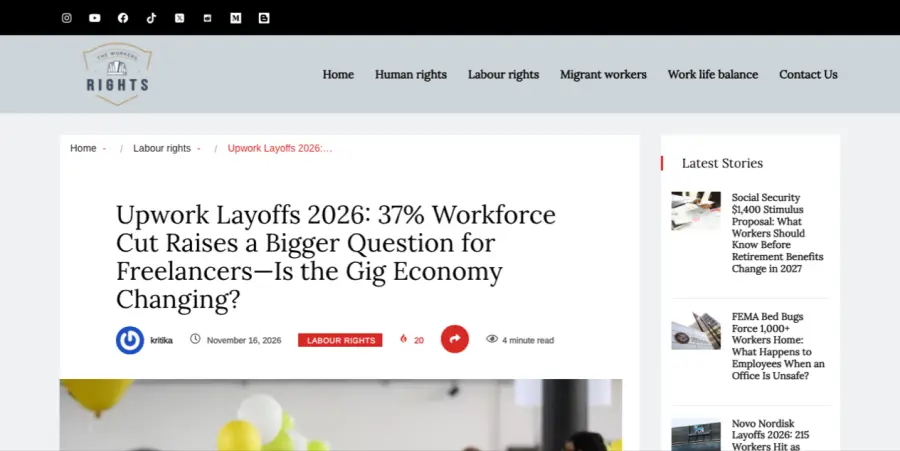
Upwork didn’t blame AI, and the company’s still profitable. But the marketplace where plenty of copywriters landed their first gig is shrinking by more than a third, while its own study shows writing losing ground. A raised eyebrow feels fair.
Clients still pay humans. They’ve moved WHAT they pay for, and 2 moves follow the money.
- Move #1: Stop selling words by the piece, and sell the ads a brand runs every month. (The same study shows that’s where the paid work went.)
- Move #2: Get proof on real ad spend before Black Friday, then get paid on what the ads do.
Do these 2 and the work changes shape:
- you stop quoting against a $20 chatbot
- founders see what your ads did before they see your rate
- the deal pays every month the winners keep coming, instead of once per piece
Both moves come straight out of my programs, and more than 1,000 people have been through them.
First: why listen to me?
My name is Sean Ferres.
I’ve spent almost 9 years in direct response, and 7 of them helping copywriters land clients. (Toots horn. Puts horn back in drawer.)
I also run their ads in my own ad account, with my own money, and I read their client applications myself. So I see which writers sign monthly clients, and which ones are still haggling over a welcome email.
Quick note before the screenshots on this page: they’re individual stories from people who did the work. Results vary and depend on effort, and they aren’t typical outcomes.
Leilani’s application is the one I think about most. She was an email copywriter with zero ad clients, and her first draft had one line in it that would’ve cost her the deal.
I told her to cut it. She sent it without it, and at 4:47 one morning my phone lit up.
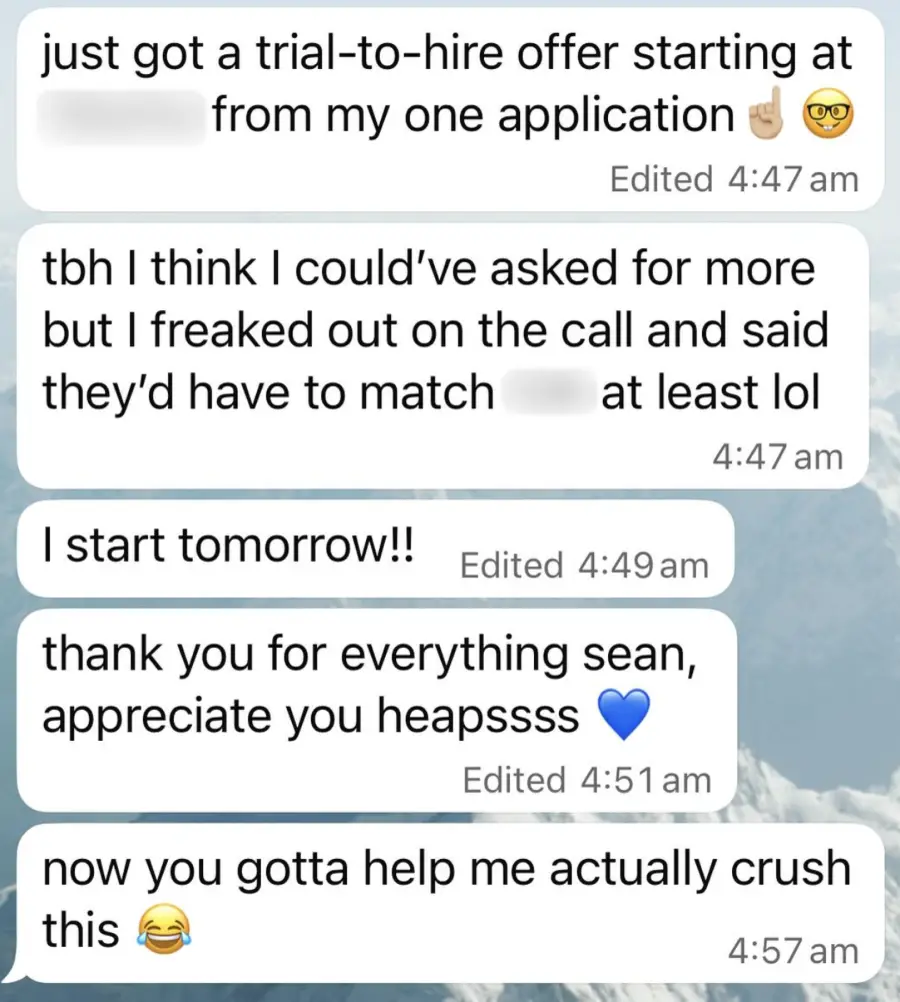
One application and one deleted line were all that separated her from a writer still pitching emails, and I walk through what goes into that application here.
Move #1: Stop selling words. Sell the ads a brand runs every month.
The same study shows the paid work moving to the stuff ads are made of.
One member joined after 6 years of copywriting. On a call with my team, he summed up the whole industry in one line:
“No matter what, you’re always getting underpaid as a copywriter.”
6 years in, he was still on small one-off gigs, and some months there was nothing at all. He could write. What held him there was the thing he was selling.
The problem: clients think they’re buying a tap
Business owners hear “copywriter” and picture a tap. Turn it on, words come out, pay by the litre.
And there’s now a tap down the road that runs all night for $20 a month and has never once asked for an extension. So the writers I coach all describe the same year:
- they wrote better, and clients still haggled
- they niched down, and got haggled with in one very specific industry
- they knocked 20% off, and the 20% became the new price
The other pair of bars is where the money went
Now look at video.
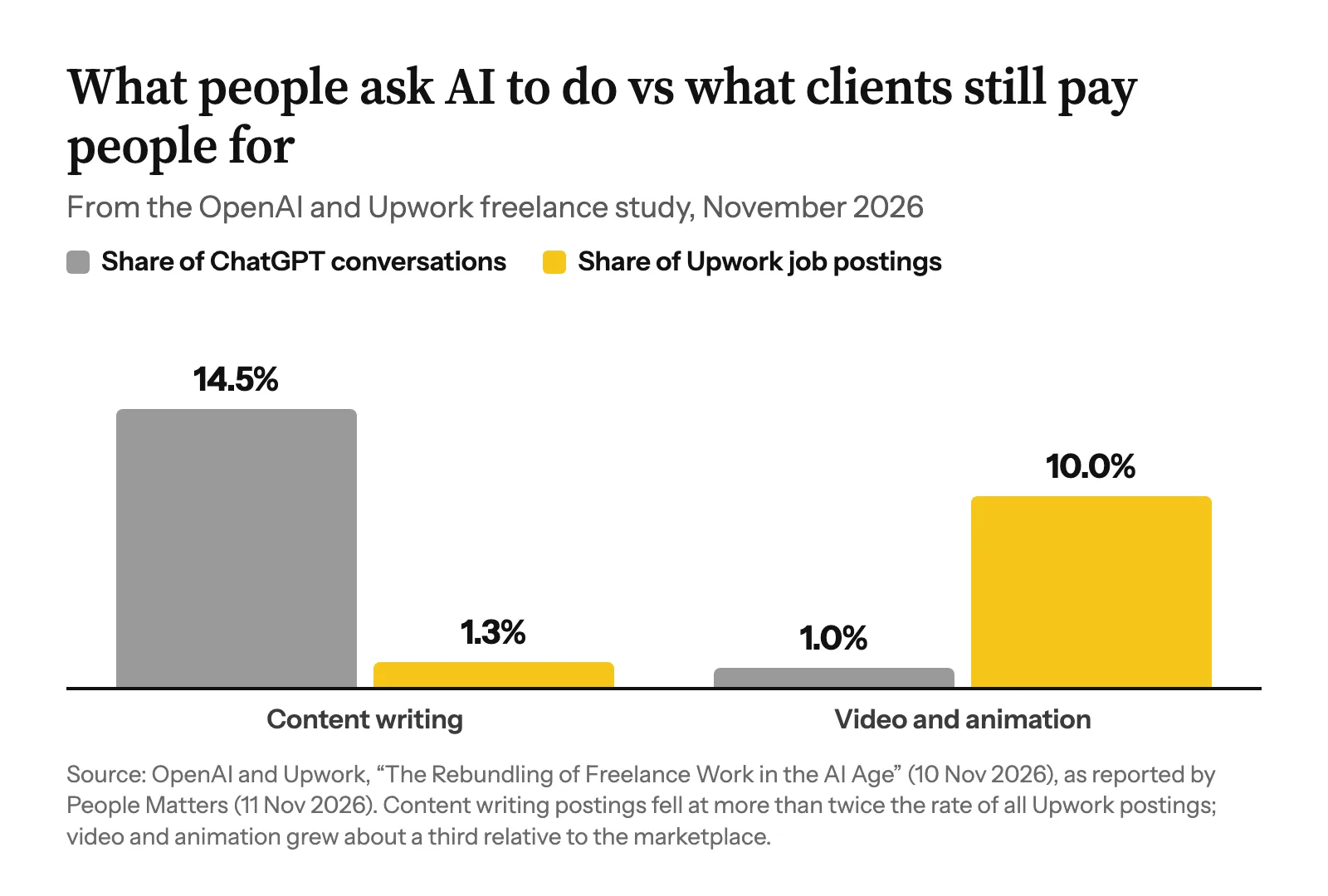
Video and animation is 1% of what people ask ChatGPT for, and 10% of what clients post on Upwork. That’s the stuff ads are made of, and the report says those postings grew by about a third against the rest of the marketplace.
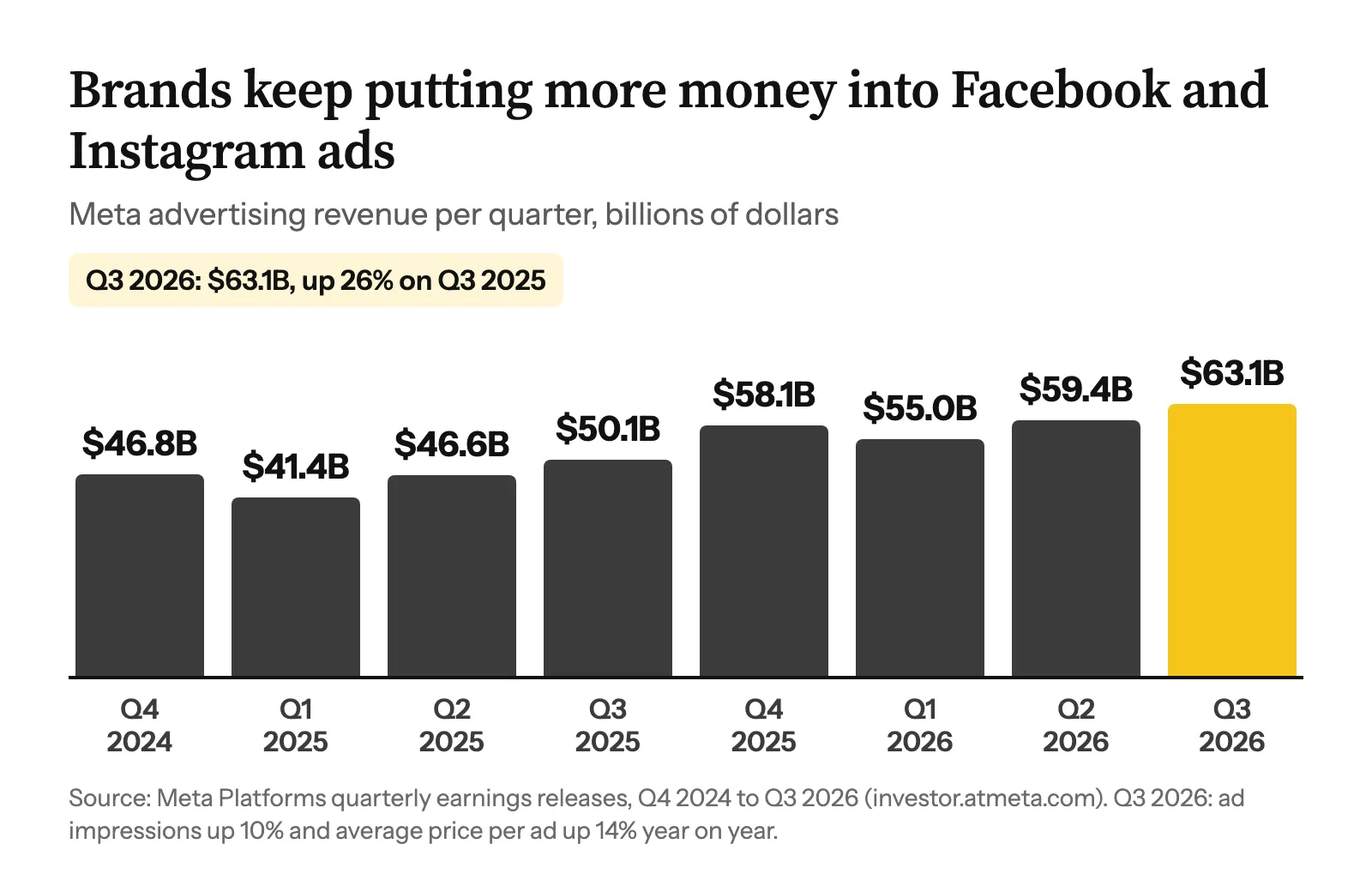
Brands also put $63.1 billion into Facebook and Instagram ads in a single quarter this year, 26% more than a year earlier.
And from what I see in the accounts I work in, a brand that used to get by on 5 tired ads (the ones your aunt has seen 40 times) now runs dozens, each built for a different kind of buyer.
AI can type 50 ads before your coffee goes cold. It has no idea which ones will sell.
The person who works that out for a brand is called a creative strategist. The work runs on research, angles and hooks, the muscles a copywriter has been training for years.
What happened when writers changed the label
One member clocked the shift before OpenAI did: “Half the jobs on Upwork are creative strategy now.”
Neil put “creative strategist” in his bio and got more than 400 job opportunities, so many that he changed it back.
Maria didn’t even get to pitch. A founder messaged her first: “So I see you’re a creative strategist 🙂”
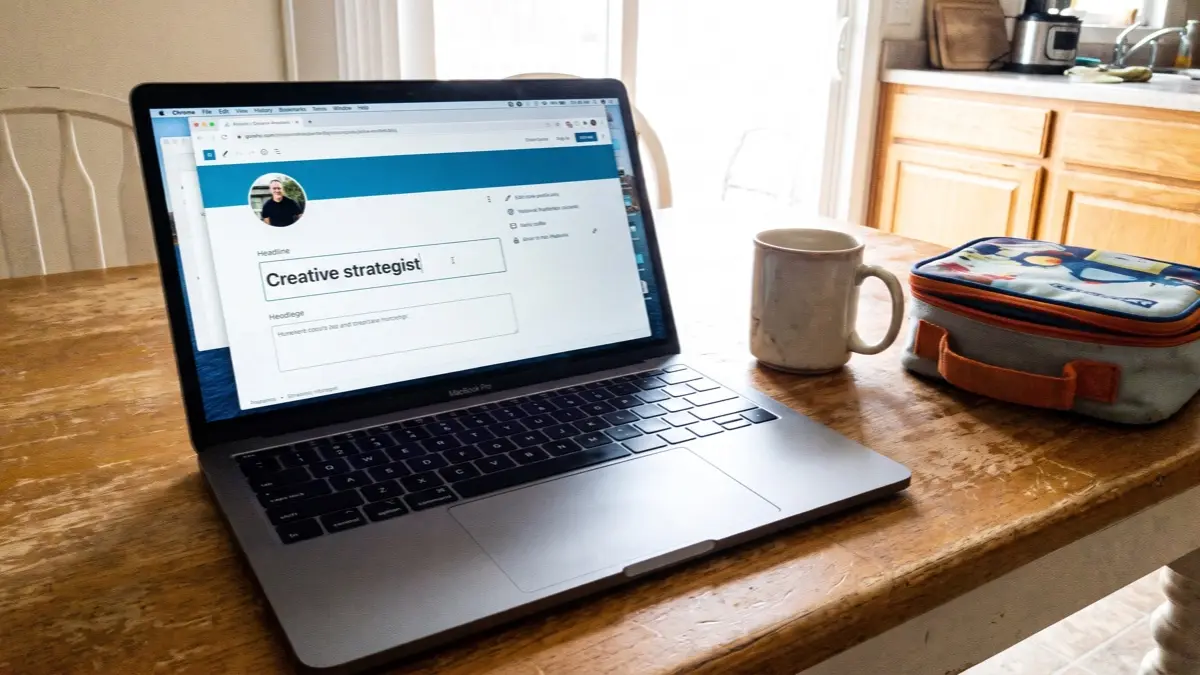
Whatever you call yourself, selling the ads instead of the words is the move. Here’s how we set it up with the people we work with.
Move #2: Get proof before Black Friday, then get paid on what the ads do.
This is the move that turns a one-off invoice into a monthly one.
Every founder asks the same question.
“Soooo... what have your ads actually done?”
You can’t get the deal without proof, and you can’t get proof without the deal. I call it the beginner death spiral, and it’s finished more good writers than ChatGPT ever will.
Step 1: Borrow an ad account
The people I work with make 3 ads for one of my live funnels. I run them in my own ad account, with up to $1,000 of my own ad spend behind them.
Plenty of those ads flop, on my dime. Then one doesn’t.
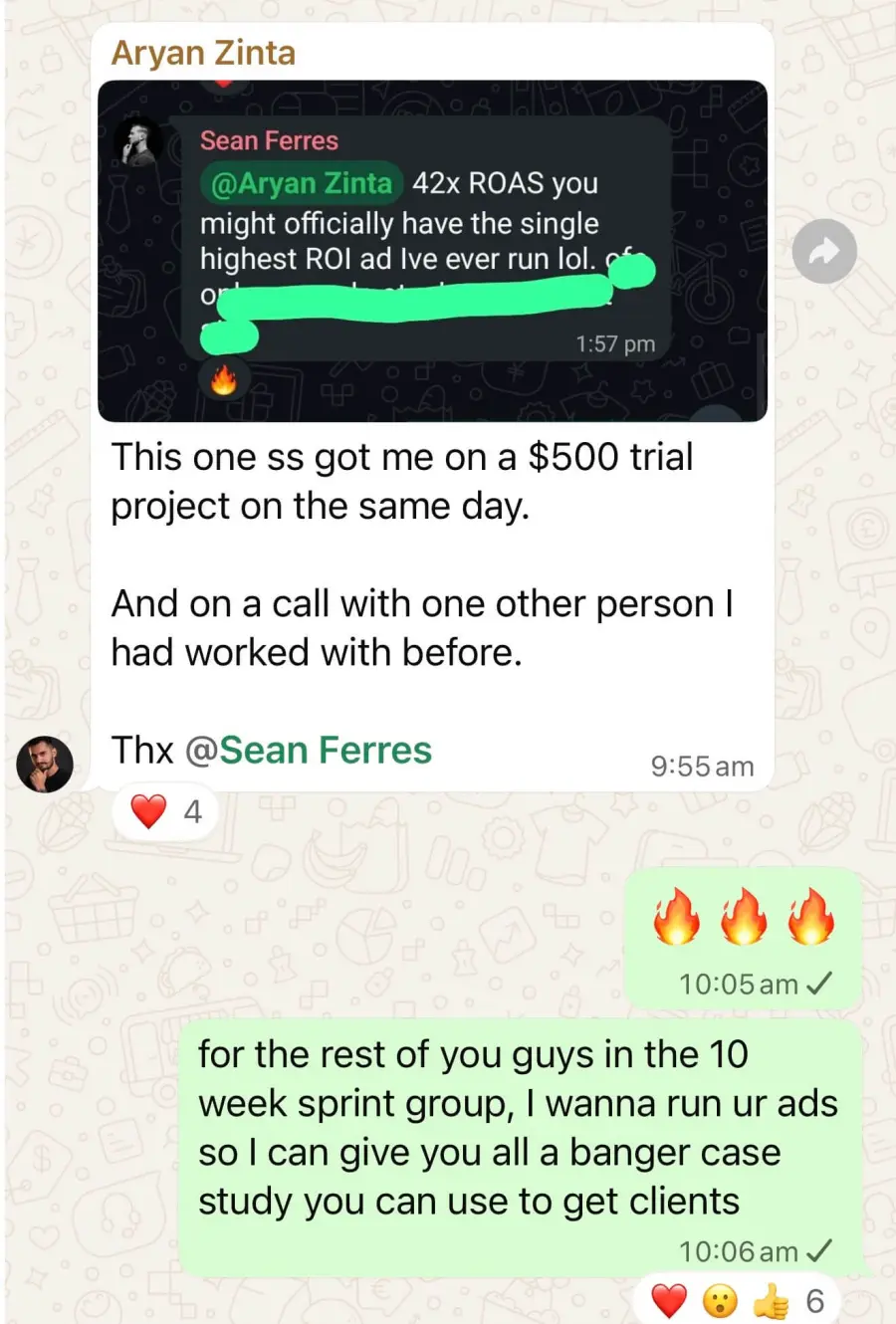
Aryan’s came back at a 42x return on ad spend. He forwarded my message about it to a founder, and he had a paid trial the same day.
When Alex Hormozi’s former CMO ran a batch of ads from people I coach on a $200K budget, Max wrote the best one in the account.
(If you’d like your ads tested the same way, here’s how that works.)
Why the next 90 days matter most
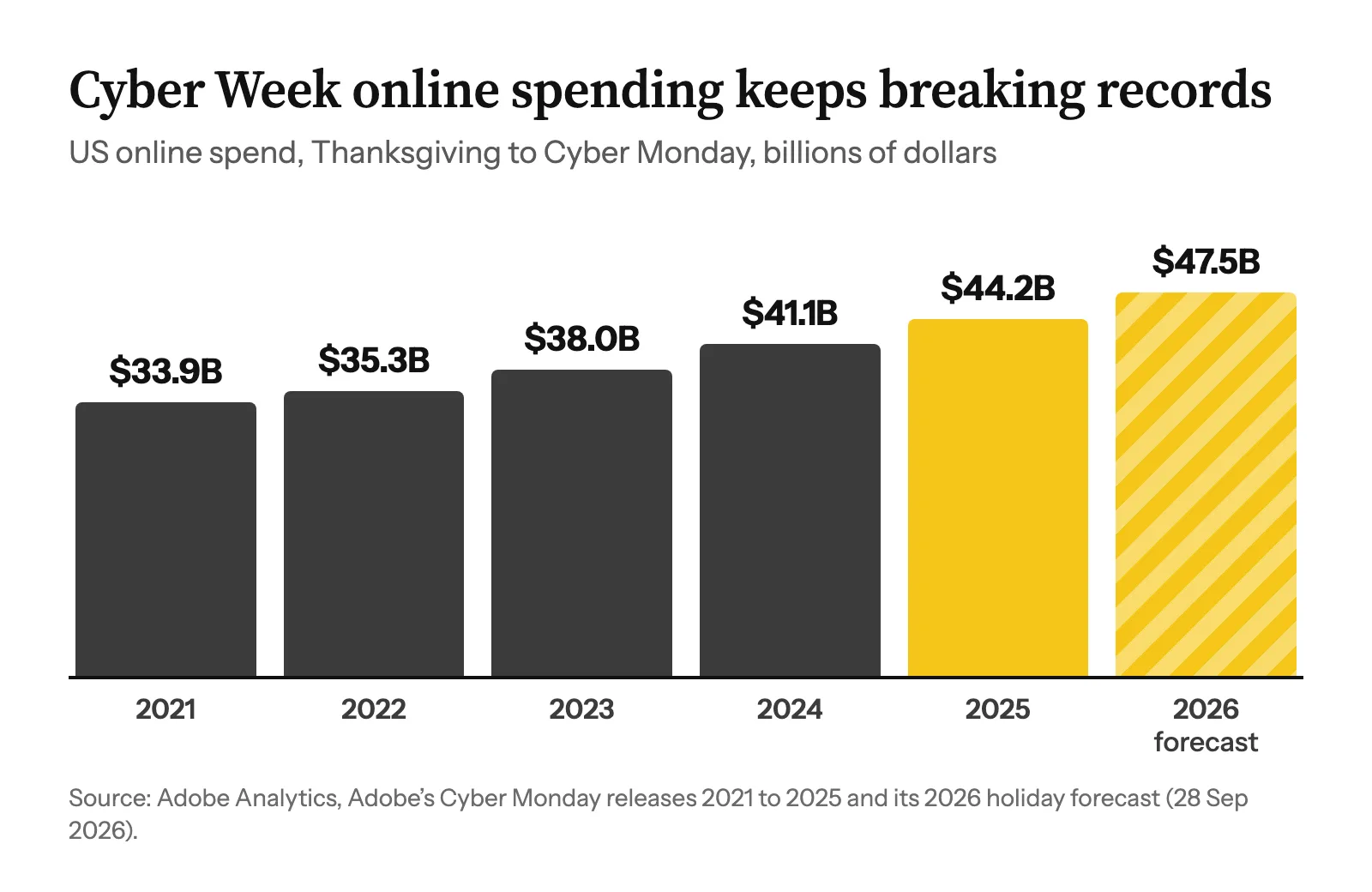
Black Friday is Friday 27 November. Adobe expects Americans to spend $12.9 billion online that day, and $47.5 billion across Cyber Week.
On 1 December, shoppers switch to Christmas gifts, so every Black Friday ad goes in the bin and brands rebuild. In January, the gift ads die too, and they rebuild again.
That’s 3 rebuilds in 90 days, with more ads being tested than at any other time of year. For a writer who wants their name on a result, there’s no easier window, and the first one opens on 27 November.
Step 2: Change the shape of the deal
Per piece is the bottom rung. You get paid once, however long the ad runs.
A monthly retainer pays every month you keep the winners coming. A share of the ad spend on top means that when the brand’s ads work and it spends more, your cut grows without you typing an extra word.
Try asking for 3% of the ad spend on a welcome email. I’ll wait.
Gaurav was doing one-off projects. Then an ecom brand signed him as its creative strategist on a monthly retainer plus 3% of ad spend, the account grew from about $3K a month in ad spend to $20K, and the brand let its other strategists go and kept him.
Cyan has a day job, and he closed a beauty brand on a retainer plus 1.5% of ad spend from his desk at the office.
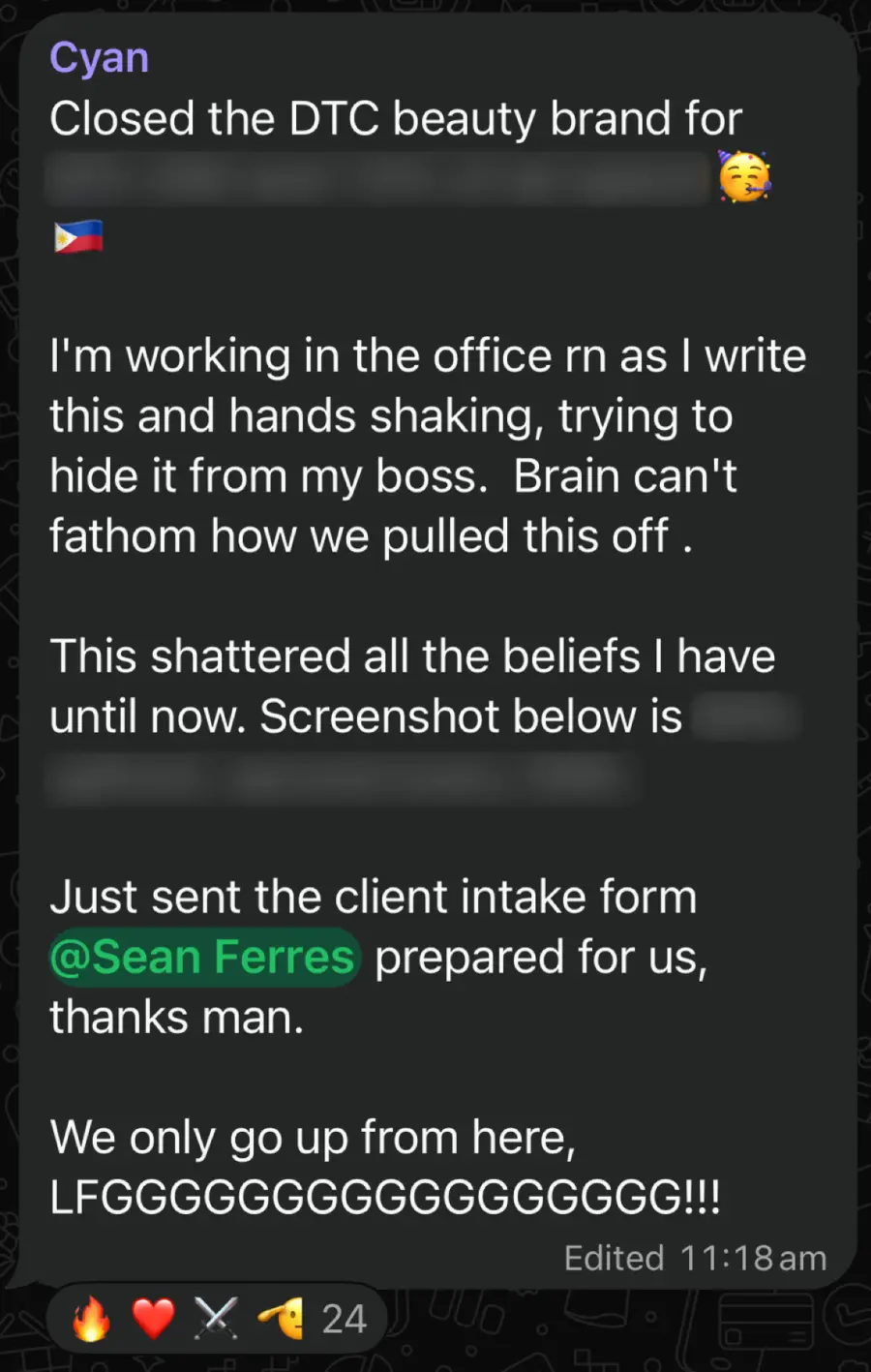
They didn’t need a roster of 20, either. The plan is a couple of good clients who pay every month, which is a very different life from chasing the next one-off gig.
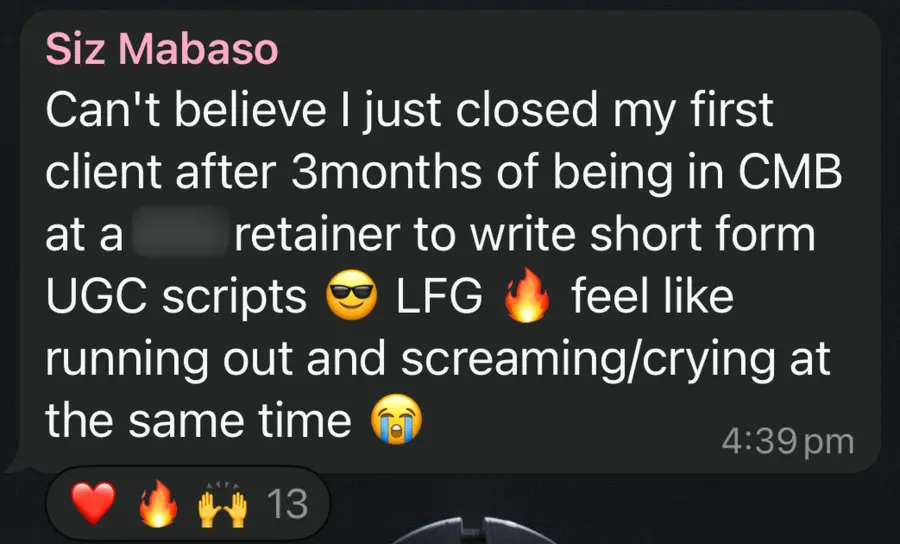
Siz got there 3 months in, writing scripts for short video ads.
The easy way to do all of this
Look, of course I’d love your business. But whether you do this with me or on your own, these 2 moves are the ones to make before Black Friday:
- Stop selling words by the piece, and sell the ads a brand runs every month.
- Get proof on real ad spend while brands test hardest, then get paid monthly with a share of the result.
Do those 2 and you’re selling the part of the work OpenAI’s own study shows growing.
Do it yourself, or do it with us
You can piece it together from YouTube and a lot of trial and error, the way I did.
Or take the shortcut. This Black Friday I’m running a case-study group inside The Creative Strategist Breakthrough called The Doorbusters. I’m doing it once, for Black Friday only, and 10 is the most I can take so everyone gets my eyes on their work.
Phase 1 is called “Get Useful Before Black Friday”, and it runs from now until 27 November. That’s where your research, hooks and first ads get built, so they’re ready while brands spend hardest. Join after Black Friday and Phase 1 has already happened without you. There’s no second round.
Then I run 3 of your ads in my own account so you walk away with real proof. Follow the steps, and if you haven’t hit the 12-week target (terms on the next page), my team keeps working with you for up to 9 more months at no extra cost.
It’s built for people who already write, sell or market for a living and can find 7 to 12 focused hours a week. Beginners and passive-income hunters should keep scrolling.
→ If you’d like us to set this up with you before Black Friday, here’s how we’d do it
That’s all!
Sean
Get the next one
I write one of these when something in advertising changes and it matters for people who write, sell or market for a living. Get the next one by email.
One email when there is a new article. Unsubscribe any time. Privacy

Sean runs The Creative Strategist Breakthrough. He has spent almost 9 years in direct response and 7 of them helping copywriters land clients. 88 copywriters he has worked with have built six-figure incomes. More about Sean