Comcast staff are posting their last day on LinkedIn. It’s NEW YEAR’S EVE.
994 Comcast jobs go, the first on 31 December. Who’s next?
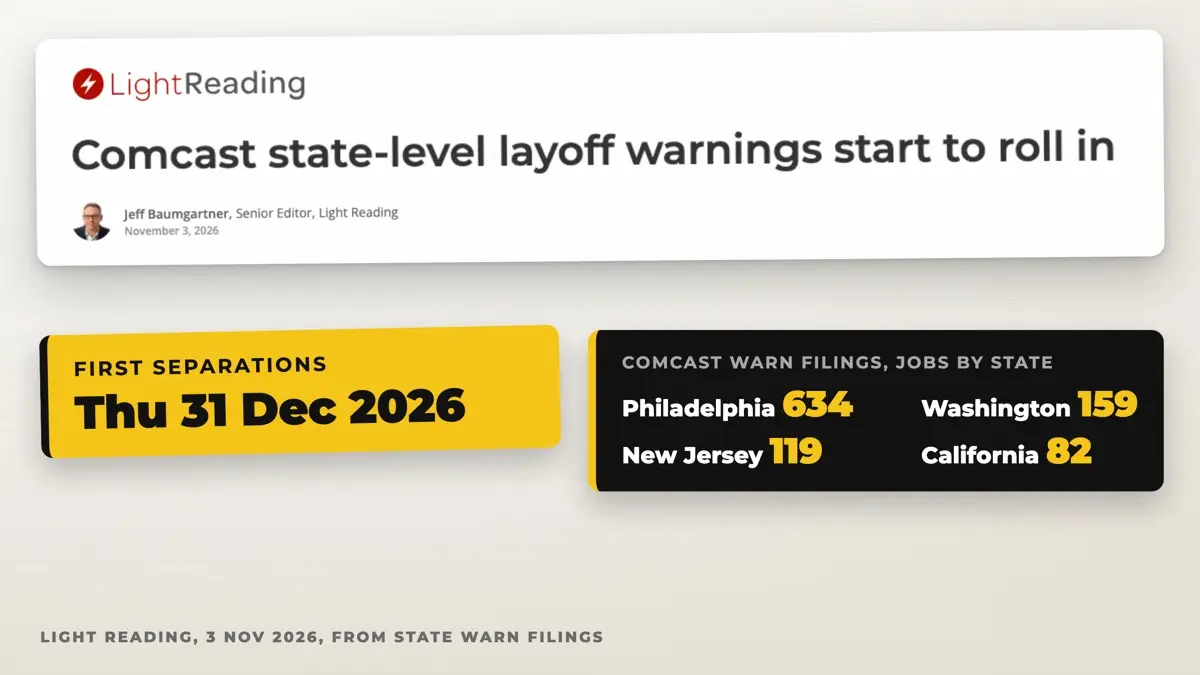
US law makes big employers give 60 days’ notice before mass layoffs. Comcast’s notices went in this month: 994 jobs across 4 states, the first gone on 31 December.
BUT: Comcast isn’t going under. It’s cutting anyway. And employers named AI in about 1 in 5 announced US job cuts this year, 2.5 times last year’s count.
If one employer pays for everything in your life, one meeting you’re not in decides your year.
The good news: the careful people sleeping best this layoff season built a second customer first, and they kept the day job.
Below I’ll break down the 2 moves.

What Comcast’s paperwork says, line by line
The LinkedIn posts came first.
Light Reading went through Comcast’s state filings on 3 November and found that “dozens of Comcast employees have gone to LinkedIn” to say they’d been caught up in the restructuring, “with most noting that December 31, 2026, will be their last day with the company.”
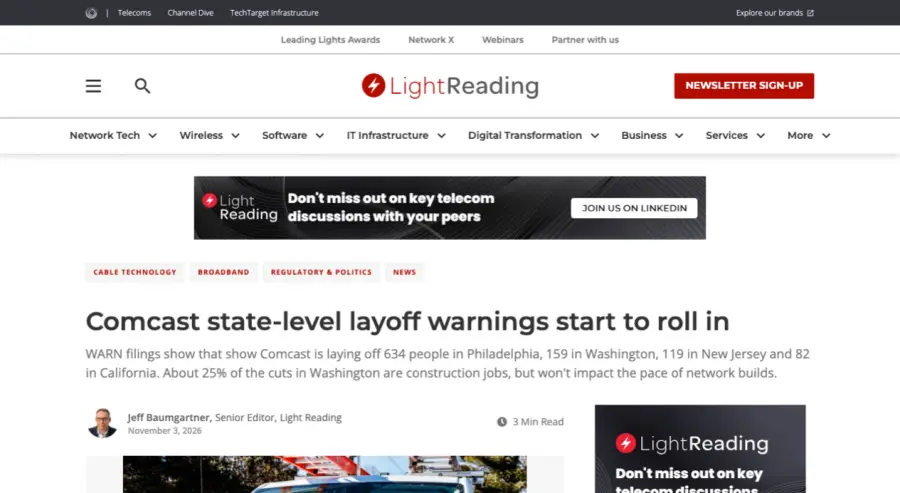
The filings are public record: 634 jobs in Philadelphia, 159 in Washington, 119 in New Jersey, 82 in California. The Washington notice lists some of the roles going: financial analysts, admin assistants, HR executives, data analytics, sales. Washington’s separations begin on Thursday 31 December, New Jersey’s on 27 January, and some of Philadelphia’s run to the end of 2027.
The same Washington filing says Comcast is filling more than 1,100 new positions that affected staff could go for. So this is a company that’s very much open, deciding it can run with fewer of these particular seats.
Comcast had plenty of company
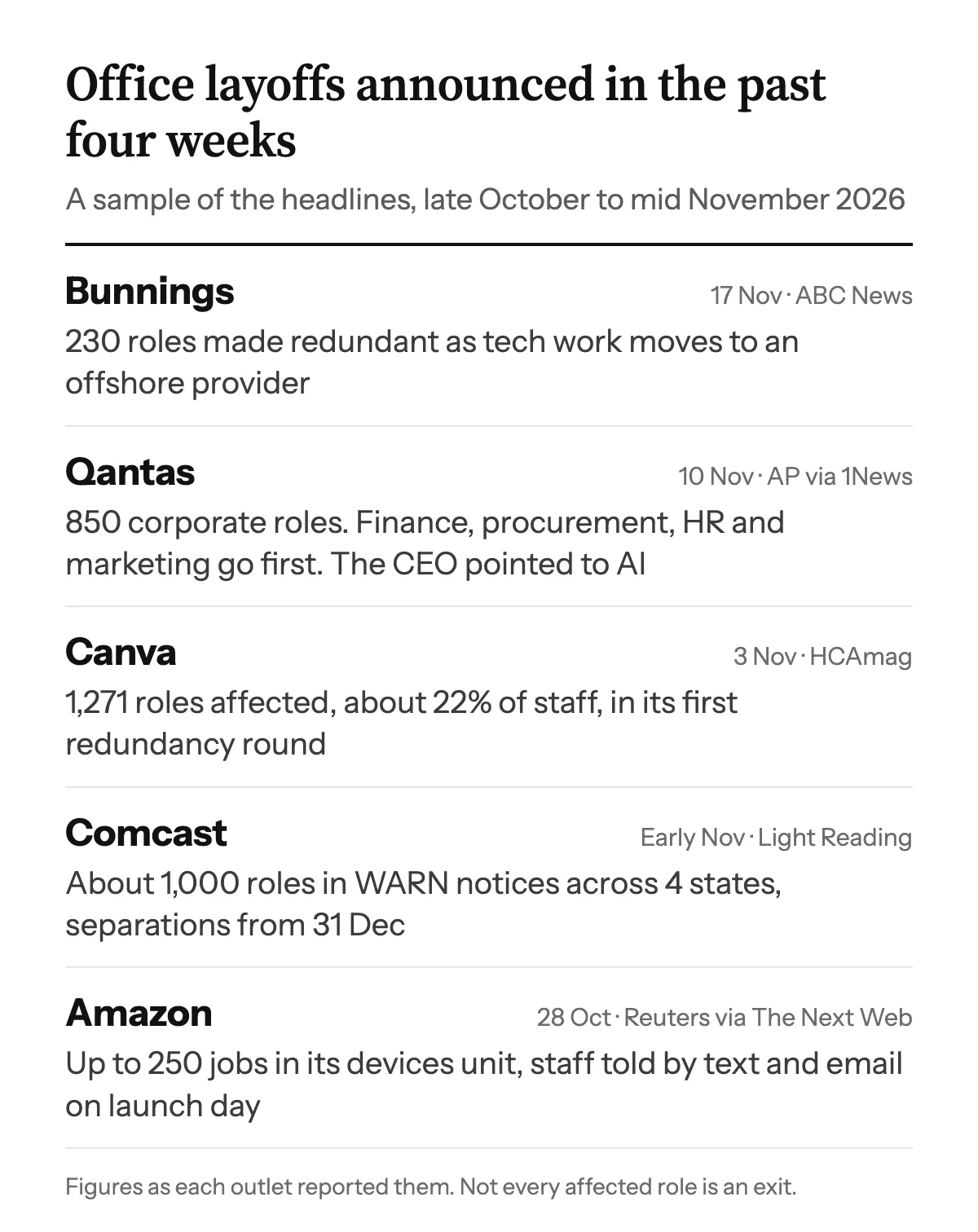
In the same 4 weeks, Qantas told 850 office staff by email, Canva said 1,271 roles were affected, and Amazon and the payments company Fiserv cut office roles too.
There are 2 moves that make one employer matter less, and you keep your day job through both.
- Move #1: Look at your own job the way an analyst looks at a client’s business. One employer is one point of failure.
- Move #2: Point the research and writing you already do at the work brands are short of right now, so a second source of income exists before anyone books the meeting.
Do these 2 and the maths on your year changes:
- one meeting stops being the only thing that decides it
- the skill you build gets paid by more than one business
- the day job carries on as normal while you build it
Both moves come straight out of my programs, and more than 1,000 people have been through them.
First: why listen to me?
I’m Sean Ferres, and I teach ads.
I’ve spent almost 9 years in direct response marketing, and 7 of them teaching writers and marketers how to land clients of their own. (Toots horn at a respectful volume.)
I also run the ads my clients write in my own ad account, with my own money, so I get a front-row seat to which ads work and which people brands keep.
So trust me when I say this: the people sleeping best this layoff season built a second skill before they needed it. I watch it happen every week.
Move #1: Look at your job the way an analyst would
If a client showed you this business, you’d circle it in red.
Run the numbers on a typical office career.
The problem: one customer is a red flag anywhere else
- one source of income
- one manager’s opinion deciding the next pay rise
- one meeting, booked by someone else, deciding the whole year
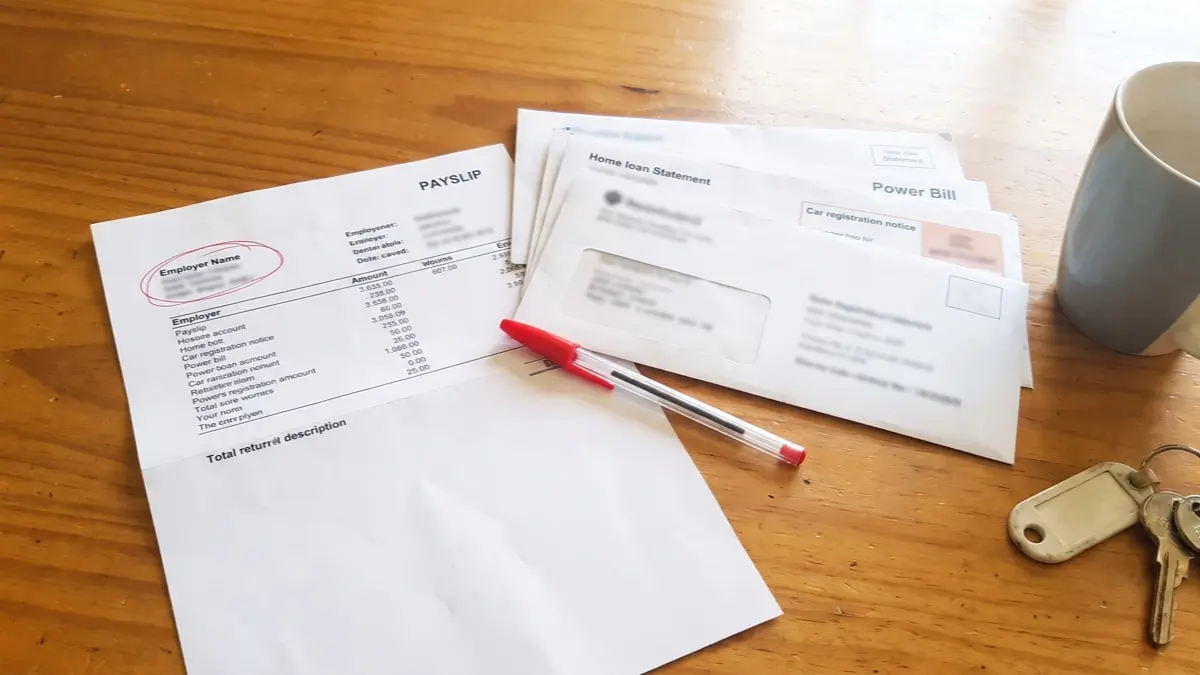
One member watched it happen at her own company this year. She likes her job. She also bought a house in April, which makes an email titled “Organisational update” land very differently.
“It’s layoff season and my company has been really bad this year,” she told my team when she joined us in October. Then she said the line that changed what she believes about work:
“I don’t necessarily believe a nine to five is any more secure than freelancing anymore.”
She’s keeping her job. She’s also building a second skill on the side, and this is the plan she’s following.
One word keeps turning up in the announcements
Employers named AI in 121,401 announced US job cuts between January and October, up from 48,414 at the same point last year.
None of those people did anything wrong. Plenty of them were probably the ones everyone asked for help with the spreadsheet.
The call got made in a room they weren’t in, off numbers they never saw.
You can’t control the next all-staff email. You can make it matter a lot less, with a second skill that more than one business pays for, built while the day job carries on as normal.
Ray got his meeting back in 2019
Ray Pang knows how that meeting goes.
He was a business manager at a startup when he got called into a room, one-on-one, on an ordinary working day. He asked to be moved into another role, and the answer was no.
He handed back the company laptop and financed a new one over 24 months.
Quick note before the screenshots on this page: they’re individual stories from people who did the work. Results vary and depend on effort, and they aren’t typical outcomes.
A month later, Ray posted this.
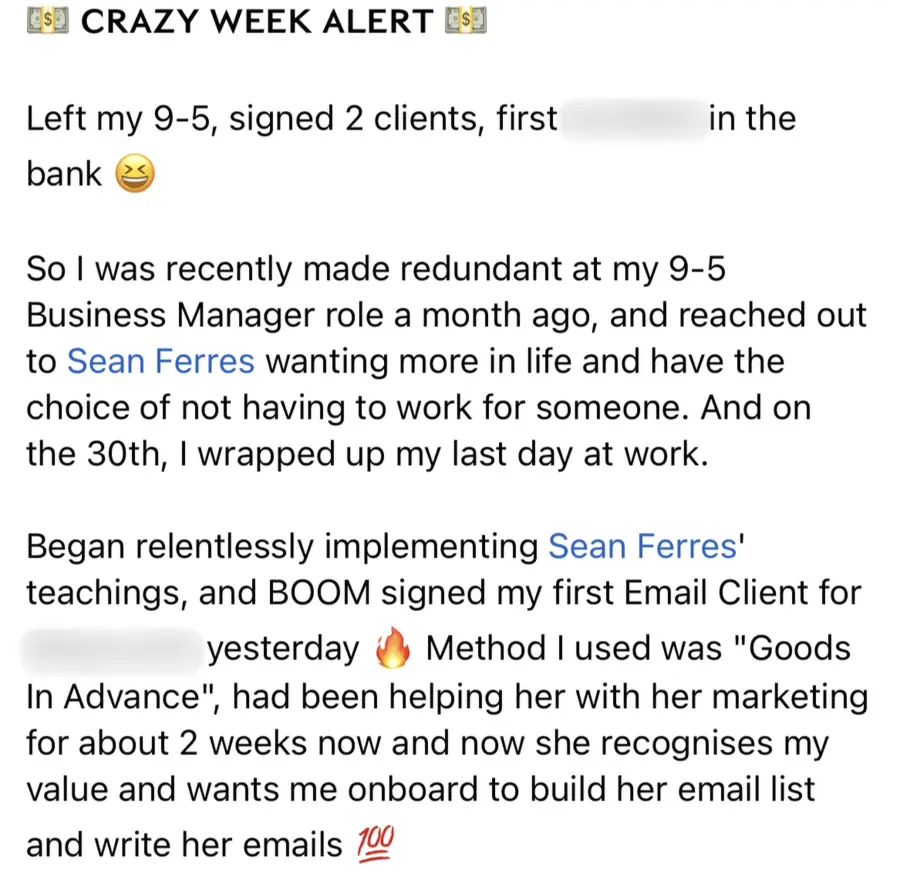
Look at the phrase in the middle: “have the choice of not having to work for someone.”
Ray built his backup after the meeting. The careful move is to build it before.
Move #2: Point what you already do at the work brands are short of
The skill brands are short of runs on research and writing you already do at work.
Meta changed how ads get picked.
What changed inside Facebook and Instagram
On 28 October, its engineers explained the newest version of Andromeda, the system that decides which ads even get a chance to be shown. It scores more than a billion ads a second.
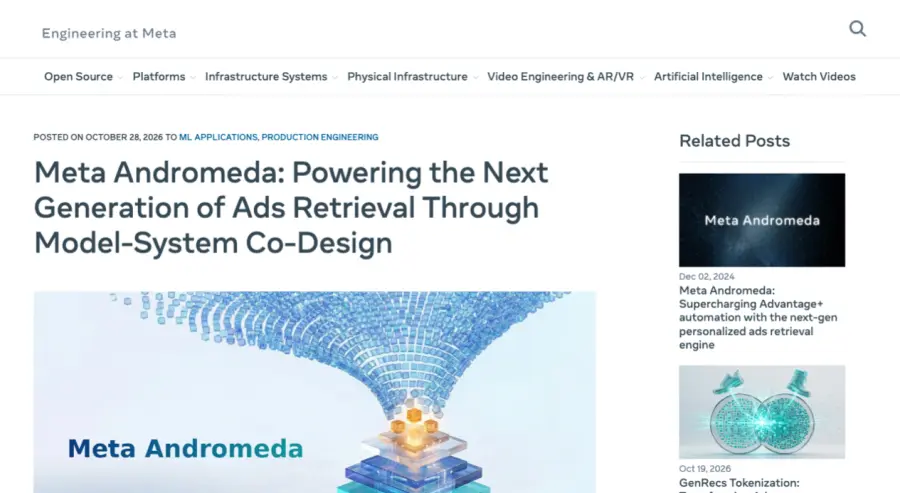
In practice, one ad reaches one kind of buyer. So in the accounts I work in, a brand that got by on 5 ads now needs far more of them, each one talking to a different person with a different reason to buy.
AI can type 50 ads before your coffee’s cool. It has no idea which 5 will make a dad in Ohio stop scrolling at 9pm.
The person who decides is called a creative strategist. They work out who’s buying, why they buy and what to say to each of them.
Brands go looking for them, too. Neil, one of the people I coach, put “creative strategist” in his LinkedIn bio and got 400 opportunities. He had to change it back to get some peace.
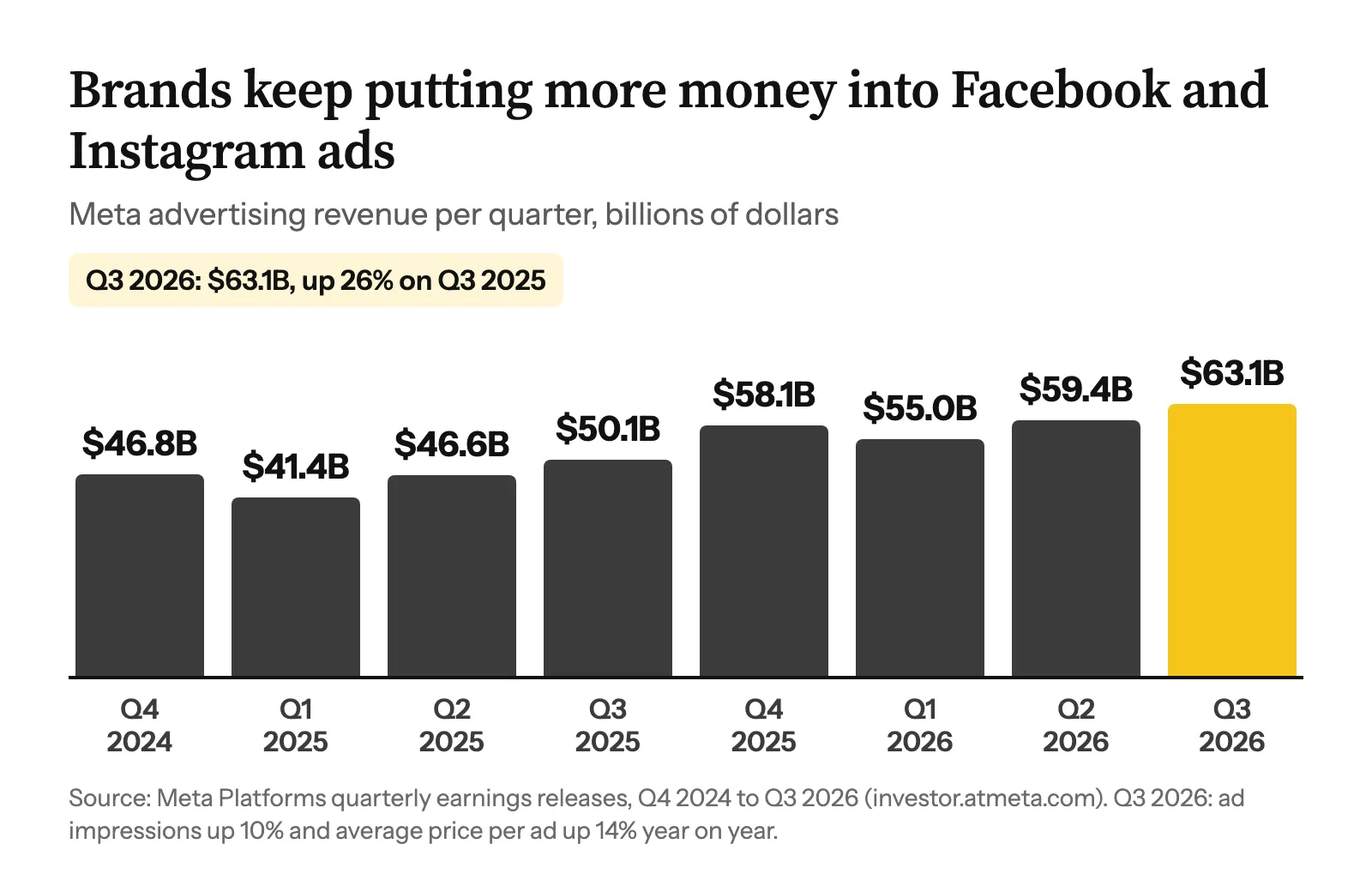
And brands keep putting more money behind those ads: $63.1 billion on Meta between July and September, 26% more than a year earlier.
You’ve done most of the training already
Look at what careful people do at work.
- read everything before anyone else has opened the file
- turn a messy spreadsheet into a decision someone senior can act on
- write the email people read to the end
- get handed the important document because “you’ll catch it”
That’s most of the skill.
“I like a good research project,” that same member told my team. She’d been writing her whole life: fiction, the college newspaper, a blog she ghostwrote.
She tried a copywriting course first. It cost $197, taught her plenty about psychology and nothing about getting a client, so the coursework happened blurry-eyed after work with no brand at the end of it.
The missing piece is the client, and that part is very learnable.
Evelina had 10+ years in finance and marketing roles and a job at Dow Jones when she started with us. This is the message she posted to our group later.
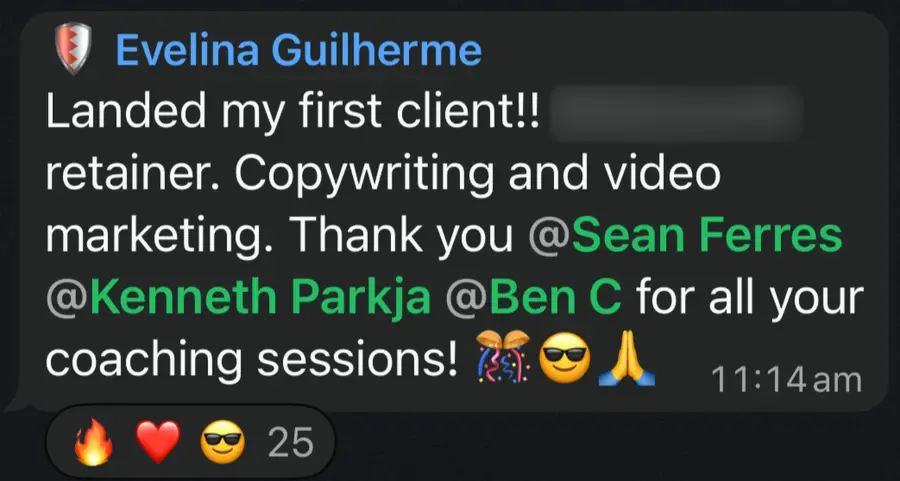
A brand paid her for this skill without asking her to quit anything first.
Why the next 90 days are the easy way in
Black Friday is Friday 27 November. Then every Black Friday ad goes in the bin on 1 December and gets rebuilt around gifts, and in January the worn-out gift ads get replaced again.
That’s 3 rebuilds in about 90 days, with marketing teams that were already stretched. So “5 years of experience required” goes out the window, and brands want to know one thing: can you help us right now?
One brand is the whole plan
You need one brand to start.
Most people picture 10 clients, a website and a logo before any of this counts. The plan I give people is one or two brands. Supplement the salary first, and decide about replacing it later.
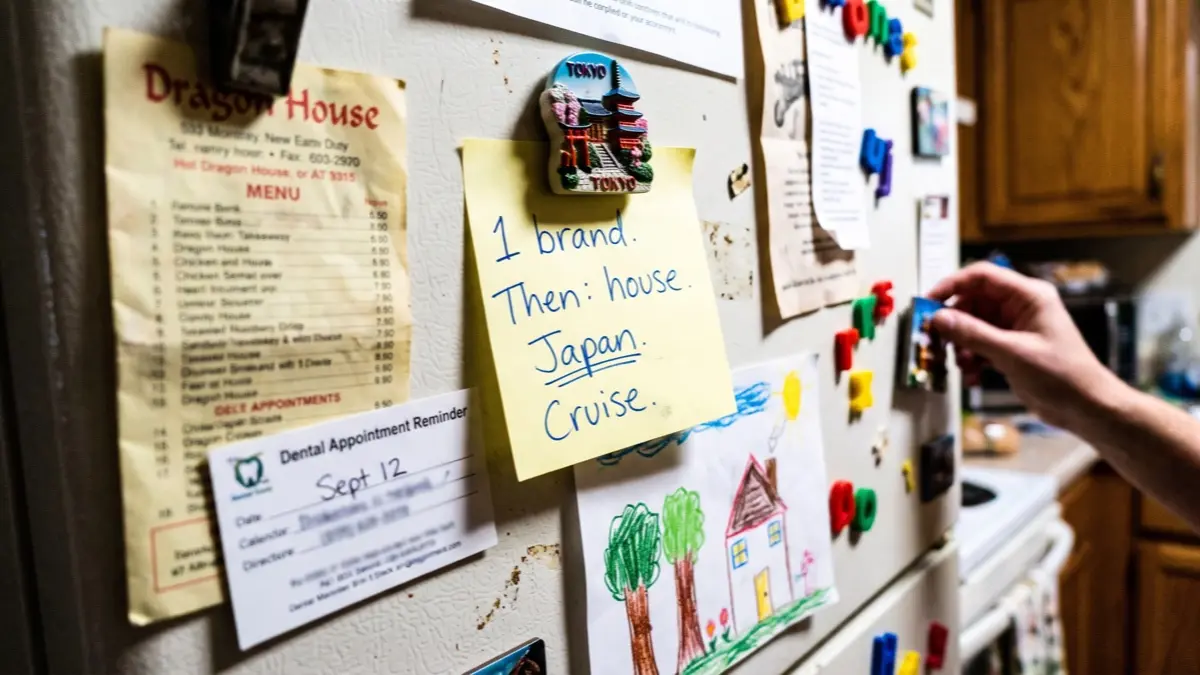
When my team asks new members what the extra income is for, the answers are gloriously ordinary: pay the house off early, finally book Japan, an Alaska cruise.
The easy way to do all of this
Of course I’d love to build this with you. But whether we ever work together or not, before January you’ll want:
- A skill more than one business pays for at once.
- Proof: ads you planned, running on real spend, in the busiest quarter of the year.
Do those 2 and the next “Organisational update” lands on someone with a second customer.
Do it yourself, or do it with us
You can piece it together yourself with YouTube and a lot of late nights. Plenty of people do.
Or you can let us do it with you. I’m running a 12-week group through Black Friday, Christmas and the January refresh called The Doorbusters. I’m doing it once, for Black Friday only, and 10 is the most I can take so everyone gets my eyes on their work.
Phase 1 is called “Get Useful Before Black Friday”, and it runs from now until 27 November, 34 days before Comcast’s first last day. It’s where your research, hooks and first ads get built. Join after Black Friday and Phase 1 has already happened without you. There’s no second round.
My team and I train you, and I run 3 of your ads in my own ad account with up to $1,000 of my ad spend behind them. Follow the steps, and if you haven’t hit the 12-week target (terms on the next page), my whole team keeps working with you for up to 9 more months at no extra cost.
It’s for people who already write, market or sell for a living and can find 7 to 12 focused hours a week. It’s the wrong fit for anyone after passive income.
That’s all!
Sean
Get the next one
I write one of these when something in advertising changes and it matters for people who write, sell or market for a living. Get the next one by email.
One email when there is a new article. Unsubscribe any time. Privacy

Sean runs The Creative Strategist Breakthrough. He has spent almost 9 years in direct response and 7 of them helping copywriters land clients. 88 copywriters he has worked with have built six-figure incomes. More about Sean